
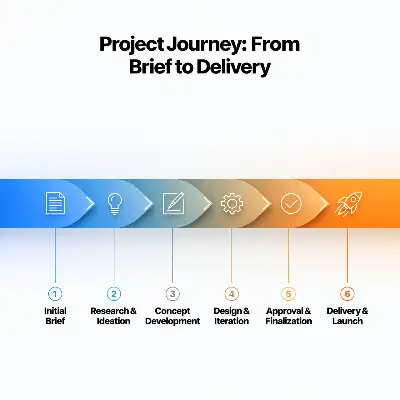
In today’s digital-first and highly competitive business environment, transparency is no longer a luxury—it is an expectation. Clients investing in branding, UI/UX design, website development, or packaging want clarity at every stage of the project. They want to understand how ideas are shaped, how timelines are managed, and how final outcomes are delivered. Design process transparency bridges the gap between expectation and execution by clearly explaining how work moves from concept to completion.
For global service-driven platforms like GlobalShipify, transparency in the design process reflects the same values customers expect from logistics and trade operations: reliability, structure, and accountability. When clients understand the workflow from brief to delivery, trust grows naturally, collaboration improves, and project outcomes become more effective.
This blog explains the complete design workflow in a clear and transparent manner, showing how each stage contributes to better results, smoother collaboration, and long-term client satisfaction while also supporting strong SEO performance.

Understanding Design Process Transparency
Design process transparency refers to openly communicating how a project progresses at every stage. It involves explaining timelines, responsibilities, review cycles, and deliverables in a way that removes confusion and sets clear expectations. Instead of leaving clients unsure about progress or outcomes, a transparent process answers questions before they arise and keeps all stakeholders aligned.
When transparency is embedded into the design workflow, clients feel involved rather than disconnected. They gain confidence in decisions, understand the value behind each phase, and see the logic behind timelines and deliverables.
Why Design Process Transparency Matters
For a global logistics and service platform, design transparency is not just about aesthetics; it is about credibility. Clients expect the same clarity in design execution that they experience in shipping updates or supply chain tracking. A transparent design workflow reduces misunderstandings, minimizes revisions, and ensures smoother communication throughout the project lifecycle.
Clear processes also enhance efficiency. When clients know what is happening and why, approvals happen faster, feedback becomes more constructive, and projects stay on schedule. Over time, this transparency becomes a competitive advantage, strengthening brand authority and client loyalty.
Stage One: Client Brief and Requirement Alignment
Every successful design project begins with a clear and structured brief. This stage focuses on understanding the client’s business goals, target audience, project scope, technical requirements, and brand direction. The brief serves as the foundation on which the entire project is built.
Transparency at this stage ensures that expectations are aligned from the beginning. When the brief is documented and approved, it eliminates assumptions and provides a clear roadmap for execution. For GlobalShipify, this step ensures that designs align with global usability standards and the needs of international users.

Stage Two: Research and Strategic Planning
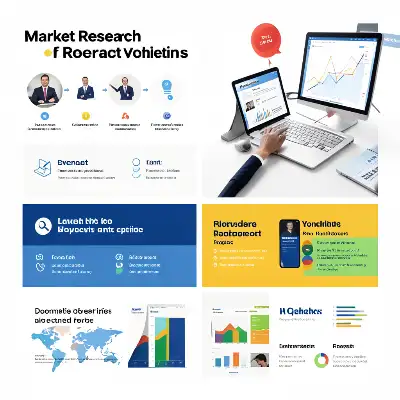
Once the brief is finalized, the process moves into research and strategy. This stage involves studying competitors, understanding user behavior, and analyzing industry trends. Research transforms raw requirements into a clear design direction supported by data and insights.
Sharing research findings with clients adds transparency and builds confidence. Clients can see how decisions are informed by real-world insights rather than personal preferences. This strategic alignment ensures that the design supports both user expectations and business objectives.
Stage Three: Wireframing and Structural Planning
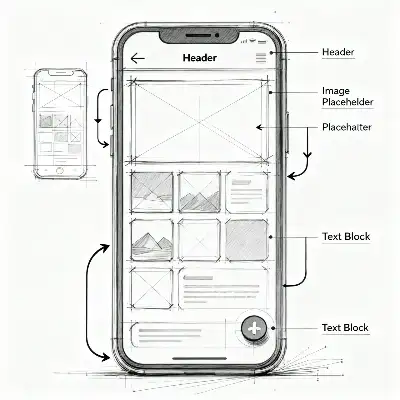
Before visual design begins, wireframes are created to define layout, content hierarchy, and user flow. Wireframes act as blueprints that focus on functionality rather than aesthetics. They show how users will navigate the platform and how information will be structured.
Transparency at this stage prevents costly changes later. By reviewing wireframes early, clients can suggest improvements while adjustments are still simple. This collaborative approach saves time, reduces friction, and leads to a more intuitive final product.
Stage Four: Visual Design and Brand Execution
This is the stage where ideas take visual form. Colors, typography, spacing, icons, and imagery are carefully applied to reflect the brand’s personality and values. For GlobalShipify, the visual language emphasizes trust, clarity, and global professionalism.
Design transparency here means explaining why certain visual choices are made. When clients understand the reasoning behind colors, layouts, and typography, feedback becomes more focused and productive. The design stops being subjective and starts being strategic.

Stage Five: Review, Feedback, and Collaboration
Once the visual design is shared, structured feedback is collected. Transparency in the feedback process ensures that clients know how revisions work, what feedback is required, and how changes will be implemented. This prevents endless revision cycles and keeps the project on track.
Clear communication during reviews strengthens collaboration and builds mutual respect. Clients feel heard, and designers can refine work efficiently without compromising timelines or quality.

Stage Six: Refinement and Quality Assurance
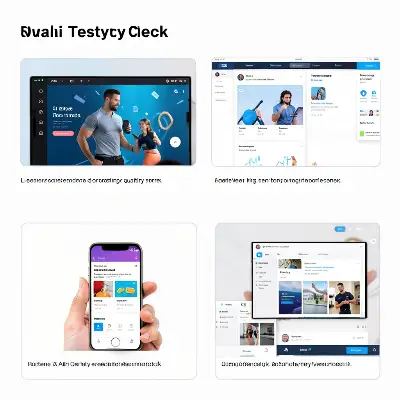
After feedback is incorporated, the design enters refinement and quality assurance. This stage focuses on consistency, responsiveness, readability, and brand alignment. Designs are tested across devices and platforms to ensure they perform flawlessly.
Transparency here reassures clients that quality checks are not rushed or skipped. It demonstrates professionalism and attention to detail, reinforcing trust in the final output.
Stage Seven: Final Approval and Delivery
Once approved, final files are prepared and delivered in the required formats. This may include web assets, print-ready files, or digital branding materials. Clear documentation ensures clients understand how to use the assets correctly.
Transparent delivery eliminates confusion and enables smooth implementation. Clients know exactly what they are receiving and how it fits into their broader business goals.

Final Thoughts
Design process transparency transforms the way clients experience creative services. By clearly explaining every stage from brief to delivery, GlobalShipify demonstrates reliability, professionalism, and accountability. Transparency builds trust, improves collaboration, and delivers better outcomes for both clients and teams.
In a competitive digital landscape, transparency is not just good practice—it is a promise. And brands that keep that promise stand out globally.